
The operational problem is deciding what deserves attention
Construction equipment, remote cabinets, mobile infrastructure, agricultural implements, and other distributed assets are difficult to observe continuously. Teams may discover a changed position only during the next visit, or they may receive a report without enough information to judge urgency. A motion event can narrow that information gap, but only when the installation defines what normal and unusual movement look like.
The same asset can move for many reasons. It may be used as planned, transported, serviced, affected by vibration, disturbed by weather, or mounted on a structure whose normal operation changes its orientation. A threshold that is useful on a stationary cabinet may create excessive events on a trailer. A tilt change that matters for one machine may be expected during maintenance on another.
The deployment should therefore begin with a practical question: which movement or orientation change should prompt review, what other context is needed, who receives the event, and what verification step follows?
From physical movement to operator review
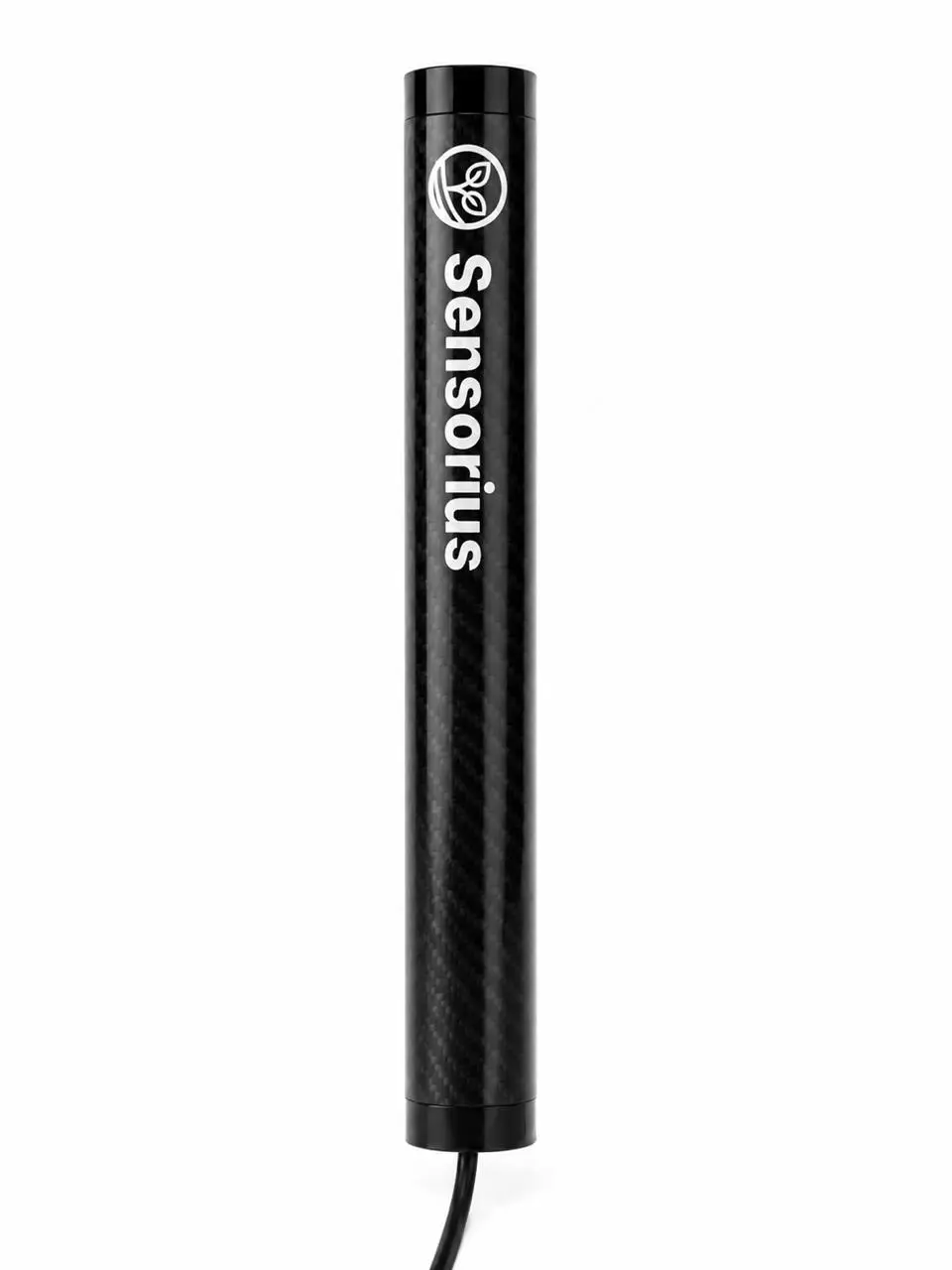
Mounted on the asset, SENS-MOTION-V1 uses its three-axis accelerometer to detect configured motion and tilt behavior. Installation orientation and mechanical stability establish the reference for interpreting later changes. Thresholds and event behavior should be selected for the asset rather than copied from an unrelated use case.
Events are forwarded through LTE-M or NB-IoT. When connectivity is temporarily unavailable, local buffering can retain supported information for later forwarding. A supported GPS profile can add position metadata where the deployment and conditions allow it. In the Sensorius Platform, motion events and available position context can be reviewed alongside device records and other operational information.
Operators can check whether the asset was scheduled to move, whether its orientation matches its expected working or storage position, and whether the location data is recent and precise enough to use. They can then decide whether to call someone, inspect the site, or record the event for follow-up.
Industrial, construction, and infrastructure applications
At construction and process sites, motion or tilt events can help teams review changes involving generators, pumps, tanks, temporary equipment, trailers, or other distributed assets. A remote cabinet or enclosure may benefit from orientation monitoring when unexpected movement could indicate that mounting or site conditions need inspection. Supported position context may help identify where a mobile asset last reported, subject to the selected GPS profile and deployment conditions.
These signals can support maintenance prioritization and operational awareness, but they do not replace inspection, access control, certified safety systems, or specialist condition monitoring. Machinery vibration, transport, handling, and normal operation can all produce events. The response procedure should account for work schedules and authorized activity so that teams investigate meaningful changes without treating every event as an emergency.
Agricultural applications
Farms and rural operations manage equipment across fields, yards, storage areas, pumping sites, and seasonal work locations. Motion monitoring can help review whether a stationary implement, mobile unit, tank, cabinet, or other suitable asset has changed state or location. Tilt and orientation information may also help identify when an installed unit no longer matches its expected position and should be checked.
Agricultural environments introduce their own sources of movement: tractors and attachments are transported, gates and enclosures are handled, wind can affect exposed installations, livestock may disturb equipment, and field work creates vibration. Seasonal storage and long periods without visits can make a well-defined event useful, but only if mounting, thresholds, connectivity, and response ownership fit the asset. Position context can assist review; it should not be treated as continuous tracking or guaranteed location evidence.
In either setting, define expected behavior and who will verify an event before relying on it.
Deployment checklist
- Identify the asset, its normal operating, transport, maintenance, and storage movements.
- Define which motion, tilt, or orientation changes should create an event and which should be ignored.
- Choose a rigid, protected mounting location and document the installation orientation and reference position.
- Confirm enclosure, fastener, cable, power, environmental, tamper, and maintenance requirements for the site.
- Test thresholds against normal vibration, handling, weather exposure, vehicle movement, and authorized activity.
- Confirm LTE-M or NB-IoT coverage and define expectations for buffering, delayed delivery, and stale information.
- Review whether a supported GPS profile is appropriate, including acquisition conditions, update behavior, power implications, and acceptable location uncertainty.
- Define recipients, review windows, escalation steps, authorized-movement schedules, and the evidence required before taking action.
- Commission the device with controlled movement and tilt tests, then compare recorded events with the physical asset.
- Revisit thresholds and procedures when the asset, mounting, season, or operating pattern changes.
Limitations to confirm before deployment
A motion or tilt event indicates that configured sensor conditions were met. It does not identify the person or cause, measure damage, certify structural safety, or confirm equipment failure. Normal vibration, handling, transport, weather, mounting movement, and threshold choices can affect results. Conversely, an event configuration may not capture every movement relevant to an operator.
Supported GPS context depends on the selected device profile, installation, satellite visibility, power policy, acquisition timing, and other conditions. It should not be described as continuous or universally available tracking. Cellular communications can also be interrupted, and buffered events may arrive after the physical change occurred. The device is not a substitute for certified security, safety, access-control, or machine-protection systems.
