
One connected system
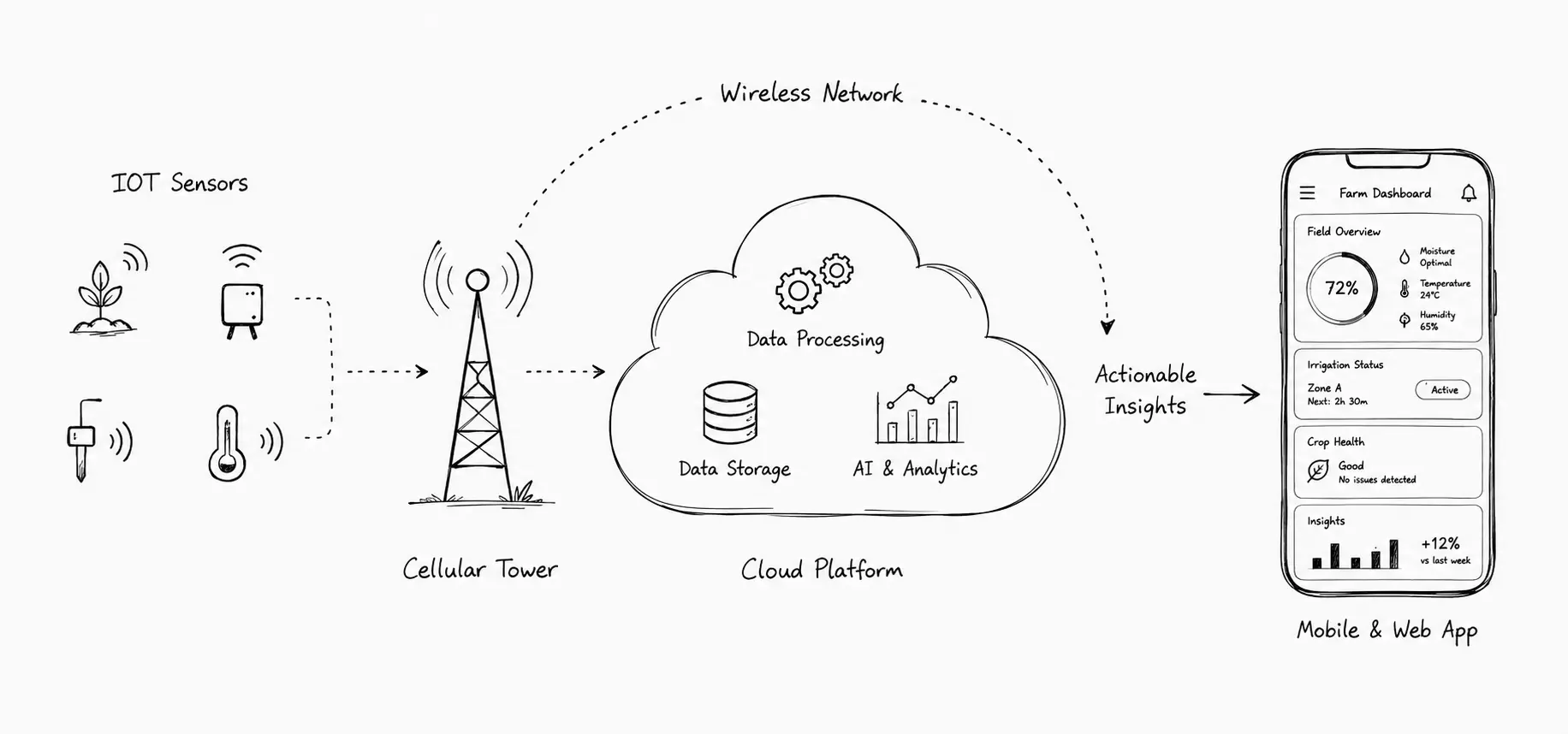
Sensorius connects soil measurements, weather, crop timelines, farm data, and field actions in one system.
The platform shows what changed. The Sensorius Agronomic Adviser helps explain the next decision. Your farm or agronomy team decides what happens in the field.
Sensorius connects soil measurements, weather, crop timelines, farm data, and field actions in one system.

Measure soil conditions, monitor movement, connect installed equipment, and support remote irrigation or fertigation control with field-ready Sensorius devices.

See fields, soil measurements, weather, telemetry, devices, crop timelines, notifications, and generated field actions in one place.

Use an AI agronomist for field questions and timeline preparation, with the source context and limitations kept visible.
Use Sensorius soil devices, motion monitoring, irrigation controls, existing RS-485 equipment, weather forecasts, and farm records. Review current soil readings, field maps, weather forecasts, telemetry, connected devices, crop timelines, and upcoming field actions. Ask a field question or prepare a crop timeline. Review the information used and the reason behind the answer. Your farm or agronomy team remains in control. Sensorius supports the decision; it does not replace professional judgment.
Sensorius supports timing-sensitive workflows across nutrient management, irrigation, field prioritization, plant-health context, and yield protection. Start with the decisions that matter most to your operation and add direct field measurements where they improve confidence and precision. Every farm has different crops, infrastructure, data, and operating constraints. Talk with Sensorius about the decisions you need to support and the combination of platform capabilities and connected hardware that fits them.

Protect yield potential by improving the timing and consistency of input, irrigation, and crop-response decisions. Sensorius supports the workflow without guaranteeing an agronomic outcome.

Create a shared view across fields and seasons so teams can prioritize observations, interventions, and follow-up work.

Bring field and crop context, soil information, weather, operational history, and optional NPK trend measurements into a structured fertilization review.
